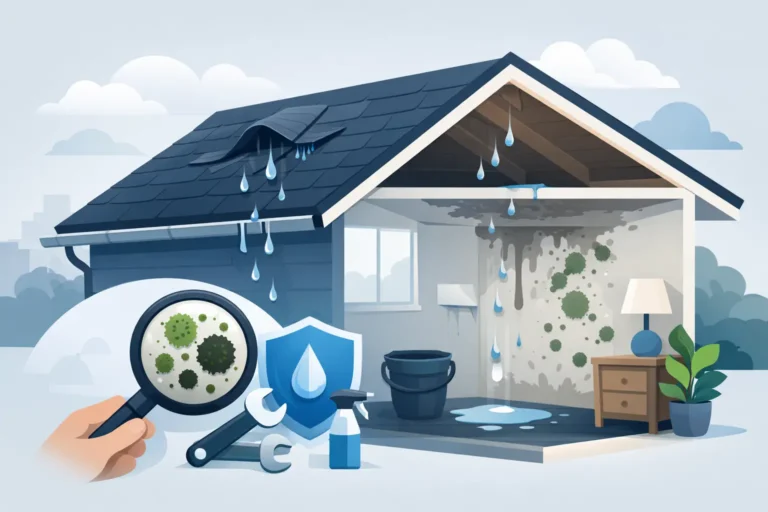

A roof repair can stop a leak quickly, but homeowners often have the same question once the drip is gone: how long roof repairs last. The honest answer is that a well-matched, properly installed repair may last for many years. A repair made over hidden deterioration, however, may only buy a season or two. The difference comes down to the roof’s overall condition, the material involved, the source of the problem, and the quality of the repair work.
For property owners in Michigan, that distinction matters. Roofs handle wind, hail, heavy rain, snow load, ice dams, and repeated freeze-thaw cycles. A repair should do more than cover the visible symptom. It needs to address the water path, restore the roofing system correctly, and hold up through the next weather event.
How Long Do Roof Repairs Last?
Most professionally completed roof repairs last between 5 and 15 years, though some can last longer. Small repairs to relatively new roofs often blend into the remaining service life of the roof. Repairs on an older roof near the end of its life may be temporary by nature, even when the workmanship is excellent.
For example, replacing a few wind-damaged shingles on a roof that is otherwise in good condition can provide a long-lasting result. Repairing a recurring leak around a chimney may also last many years when the flashing, underlayment, and surrounding shingles are corrected together.
On the other hand, a patch applied to brittle shingles, widespread granule loss, soft decking, or multiple active leak areas is not the same as restoring a healthy roof. It may keep water out for now, but it cannot reverse aging across the rest of the system.
Typical repair life by problem type
A replaced shingle or small section of damaged shingles can often last 10 years or more when compatible materials are available and the surrounding roof is sound. Flashing repairs around chimneys, walls, vents, and valleys can also be durable for 10 to 20 years when the metal, sealants, and water-shedding layers are installed correctly.
Pipe boot replacements commonly last 5 to 15 years, depending on the boot material and exposure to sun and weather. Sealant-only fixes usually have the shortest lifespan. Caulk has a place in certain details, but it should support proper flashing and roofing installation, not substitute for it.
Low-slope commercial roof repairs vary even more. A localized repair to TPO or EPDM can last for years when the membrane is otherwise in good shape and the seam or puncture is properly prepared and welded or adhered. If ponding water, open seams, saturated insulation, or widespread membrane aging are present, a larger repair plan or restoration may make better financial sense.
What Determines How Long a Roof Repair Lasts?
The best way to estimate repair life is to look beyond the damaged spot. A thorough inspection identifies whether the leak is isolated or part of a larger failure.
The age and condition of the existing roof
A repair has to integrate with what is already there. On a newer roof, shingles remain flexible, granules are intact, and surrounding materials can usually support a durable repair. On a roof that is 20 years old and showing broad wear, replacement shingles may not seal as reliably to brittle neighboring shingles.
Age alone does not automatically mean replacement is necessary. Some roofs have years of useful service remaining. But when repairs become frequent, the roof is losing granules across large areas, or shingles are curling and cracking, it is wise to compare the repair cost with the value of replacement.
Finding the true source of the leak
Water does not always enter directly above the stain on a ceiling. It can travel along roof decking, framing, vents, or flashing before it appears indoors. This is why a quick visual patch can fail even if it initially stops the visible leak.
A lasting repair starts with leak detection. The contractor should inspect penetrations, valleys, transitions, wall flashing, attic conditions, and the surrounding roofing materials. If a damaged shingle is only the final point where water escaped, replacing that shingle alone will not solve the underlying issue.
Material compatibility and installation details
A repair needs materials that work with the existing roof system. Shingles must be properly layered and fastened so water sheds over the repair rather than into it. Flashing must be integrated with the roofing material, not simply placed on top and sealed around the edges.
For flat and low-slope roofs, membrane repair depends on clean surfaces, correct preparation, and the right method for the existing system. TPO and EPDM require different repair techniques. Using the wrong adhesive, patch material, or seam process can shorten the repair dramatically.
Weather and ventilation
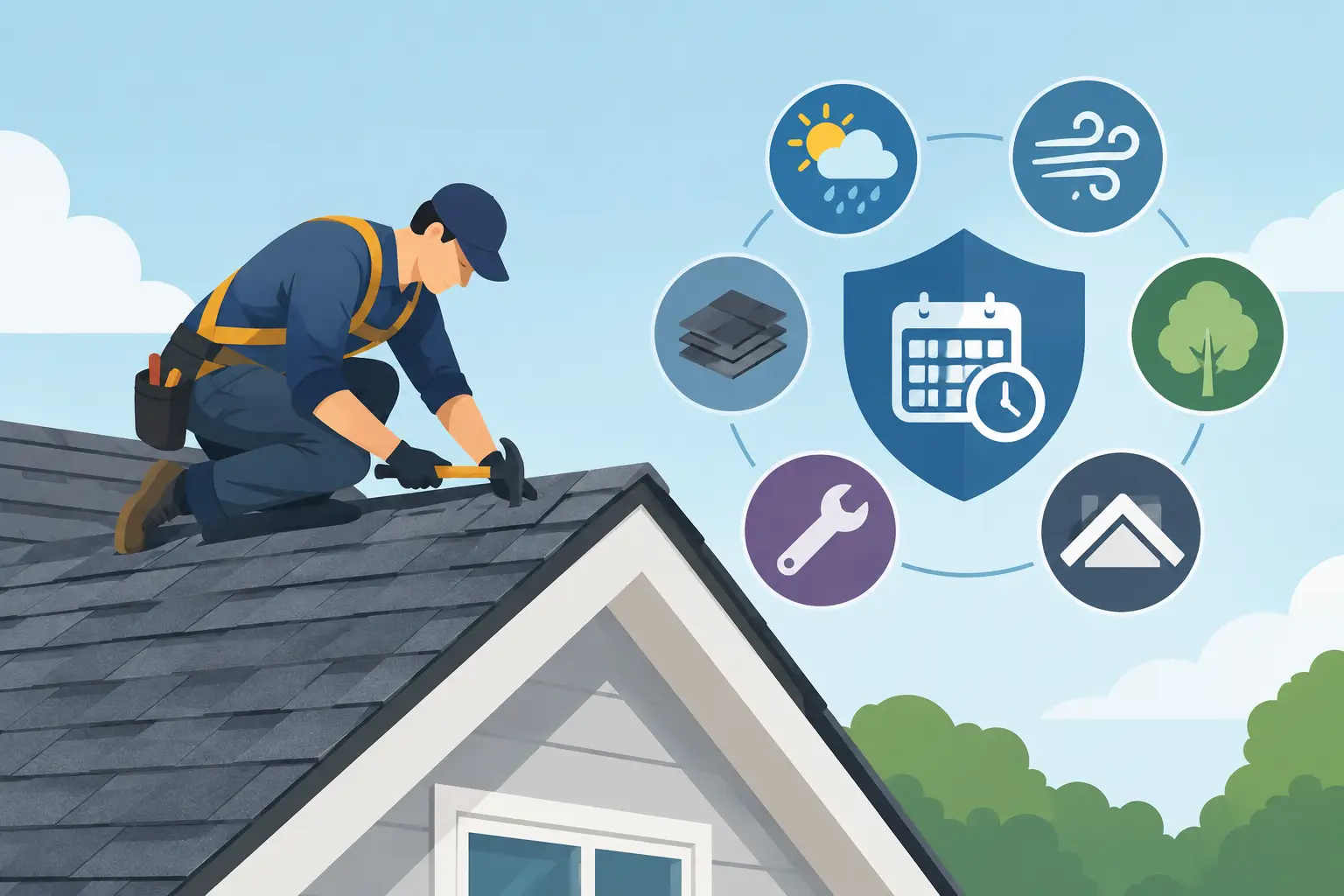
Michigan weather tests every roof repair. Strong wind can lift improperly fastened materials, while ice dams can force water beneath shingles at eaves. Poor attic ventilation can add moisture and excess heat beneath the roof deck, accelerating shingle wear and contributing to condensation problems that look like roof leaks.
A repair may need to include more than the exterior surface. Correcting damaged ventilation components, sealing an attic air leak, or addressing an ice-dam pattern can protect the repair and prevent the same problem from returning.
When a Repair Is the Smart Choice
Repair is usually the right call when damage is limited and the roof still has meaningful service life left. A few missing shingles after a storm, a failed vent boot, loose flashing, or a small puncture on a sound commercial membrane are all situations where targeted work can be practical and cost-effective.
It is also often appropriate when a homeowner needs to stop active water intrusion while working through an insurance claim or planning a larger project. The key is to be clear about what the repair is designed to accomplish. A temporary weather-tight repair and a long-term corrective repair are not the same scope of work.
A detailed estimate should explain the affected area, the materials being replaced, any decking concerns, protection and cleanup measures, disposal, and warranty information. That clarity helps prevent surprises and allows property owners to compare repair options fairly.
When Repeated Repairs Point Toward Replacement or Restoration
There is a point where individual repairs stop being the economical answer. If leaks are appearing in multiple areas, repairs are needed after every major storm, or the roof surface has widespread deterioration, putting more money into isolated patches may not protect the building well enough.
For homeowners, replacement may be the better long-term investment when shingles are near the end of their expected life, damage is spread across several slopes, or the roof deck has recurring moisture issues. A full replacement allows damaged materials beneath the shingles to be identified and corrected rather than hidden.
For commercial building owners, the choice may be between repair, restoration, and replacement. A flat roof with a dry, stable substrate and manageable surface wear may be a candidate for a coating or recoating system. Restoration can extend service life at a lower cost than a tear-off, but it is not suitable for every roof. Saturated materials, major membrane failure, and drainage problems need to be evaluated before recommending a coating.
How to Help a Roof Repair Last Longer
Once the repair is complete, routine attention can make a real difference. Keep gutters and roof drainage paths clear so water does not back up at edges and valleys. After strong storms, look for missing shingles, debris, lifted flashing, or branches that may have damaged the roof surface.
Inside the building, watch for new stains, peeling paint, damp insulation, or musty odors. Early signs of moisture are much easier and less expensive to address than a leak that has been active long enough to damage decking, framing, or interior finishes.
Avoid relying on repeated applications of roof cement or caulk as a maintenance plan. These products can be useful in the right repair, but they are not a permanent answer to failed flashing, aged shingles, or deteriorated membrane seams.
Get a Clear Repair Recommendation Before Water Spreads
The right question is not only how long a repair might last. It is whether that repair addresses the actual condition of your roof and gives you a fair return on the cost. A local roofing contractor that you can trust should explain the findings plainly, identify what is repairable, and tell you when a larger solution is worth considering.
DLR Construction provides detailed inspections and free estimates for residential and commercial roofing projects in the Durand area. Whether you need a targeted leak repair, storm-damage assessment, or an honest comparison of repair versus replacement, getting the roof evaluated early can keep a small problem from becoming interior damage.