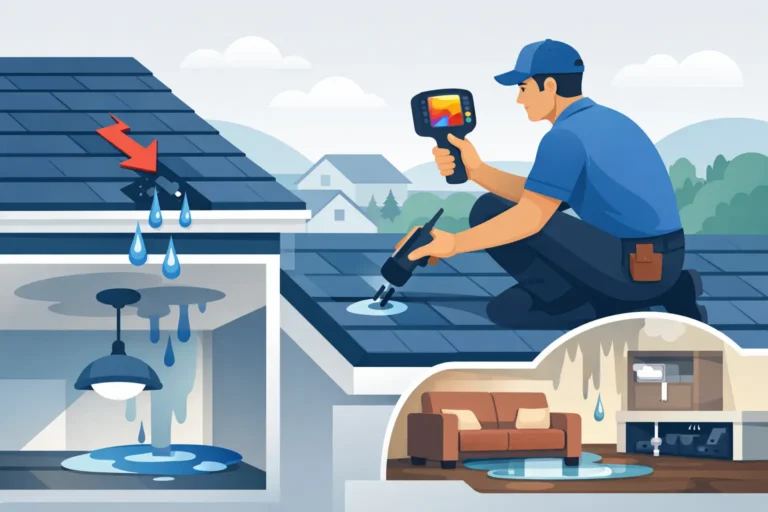


A roof problem rarely arrives at a convenient time. A brown spot on the ceiling after a heavy rain, shingles scattered across the yard, or a commercial flat roof that keeps leaking can quickly become a question of who to call and what the work will really cost. When you need a roofing contractor in Durand, MI, the right choice is not simply the company that can show up first. It is a local contractor that can identify the actual problem, explain the options plainly, and stand behind the work.
Roofing is a major investment, whether you own a home, a retail building, a rental property, or an agricultural structure. A dependable contractor should make the process clearer, not more confusing. That starts with an inspection and continues through cleanup, final walkthrough, and warranty information.
What a Roofing Contractor in Durand, MI Should Do First
Before anyone recommends a repair or replacement, they should inspect the roof and the areas around the suspected issue. A leak seen inside a home does not always begin directly above the stain. Water can travel along roof decking, framing, vents, pipe boots, flashing, or a low-slope transition before it reaches the ceiling.
A proper inspection looks for more than missing shingles. It should consider the roof’s age, the condition of shingles or membrane, exposed fasteners, flashing details, ventilation, drainage, soft decking, and signs of storm damage. On a flat or low-slope commercial roof, the inspection should also identify ponding water, open seams, damaged penetrations, membrane deterioration, and areas where previous repairs may be failing.
The recommendation should fit the roof’s condition. A small flashing failure or isolated wind damage may be repairable. A roof with widespread granule loss, repeated leaks, brittle shingles, or damaged decking may be a better candidate for replacement. For commercial buildings, a restoration coating may offer a practical alternative to a full tear-off when the existing roof structure and membrane are still suitable.
No honest contractor should treat every roof as a full replacement project. At the same time, a low-cost patch is not a good value when the surrounding roof has reached the end of its useful life. The best answer depends on the condition of the entire system, not just the most visible symptom.
A Clear Estimate Prevents Roofing Surprises
A free estimate should give you enough information to compare contractors fairly. A single total without a defined scope can leave too many questions unanswered. If unexpected charges arise later, property owners can be left paying for work they did not know was excluded.
A detailed roofing estimate should explain the proposed materials, the work area, and the process. It should address whether the existing roof will be removed, how many layers are included, whether decking repairs are priced separately, and how the property will be protected during the project. It should also identify cleanup and disposal responsibilities, as well as the applicable workmanship and material warranties.
For a home roof, material details matter. Asphalt shingle replacement can be an excellent long-term choice for many Michigan homes, especially when paired with the proper underlayment, ice and water protection, flashing, and ventilation work. Lifetime-warranty shingles can provide confidence, but the installation details are just as important as the shingle label.
Steel roofing is another option for the right structure. Standing-seam 26-gauge steel provides a durable, clean-lined system, while exposed-fastener 28-gauge steel can be a cost-conscious solution for qualifying roofs. Roof pitch matters with metal systems. For roofs with pitches of 6/12 or less, the contractor should recommend a system designed for that application rather than treating all metal roofing as interchangeable.
For commercial properties, the estimate should identify the membrane system and the roof’s drainage conditions. TPO and EPDM are common low-slope roofing options, but they have different installation methods and maintenance considerations. The correct choice depends on the building, existing roof assembly, penetrations, budget, and long-term goals.
Repair, Replacement, or Restoration?
Property owners often want a simple answer, but roofing decisions are rarely one-size-fits-all. A contractor should help you understand the trade-offs instead of pushing a single service.
When a repair makes sense
A repair is often appropriate when damage is limited and the rest of the roof has meaningful service life remaining. Replacing damaged shingles after wind, repairing flashing around a chimney, sealing a roof penetration, or correcting a localized membrane issue can stop water intrusion without the expense of a full replacement.
The key is finding the source. Repeatedly caulking a leak without correcting failed flashing, open seams, or damaged materials may only postpone a larger problem. Leak detection takes experience because the visible water entry point may not be the failed roof detail.
When replacement is the better investment
Replacement may be the more responsible choice when repairs are becoming frequent, the roofing material is deteriorated across broad areas, or storm damage has affected the system beyond a practical repair. A full replacement also gives the contractor the chance to inspect the deck, update protection layers, and address flashing details that may have been overlooked in the past.
For homeowners, this can be the point where an insurance claim becomes part of the process. Hail, wind, falling limbs, and other covered storm events may create damage that is not obvious from the ground. Documentation matters. A contractor can identify roofing damage and provide a detailed scope, while the property owner remains responsible for working with the insurance carrier and understanding the policy.
When commercial restoration is worth considering
A commercial roof does not always need to be torn off when it begins showing age. Insta-Coat flat-roof sealing and recoating can be an affordable, eco-conscious restoration option when the existing roof is structurally sound and the moisture conditions are appropriate. It can extend service life and reduce waste compared with a complete replacement.
Restoration is not a shortcut for a roof with saturated insulation, extensive membrane failure, or major deck problems. A qualified inspection should determine whether coating is a sound investment or whether tear-off and replacement will provide better long-term value.
Why Local Experience Matters After Michigan Weather
Durand-area roofs deal with snow loads, freeze-thaw cycles, wind, ice, summer heat, and sudden storm events. Those conditions place stress on shingles, flashing, fasteners, roof penetrations, and low-slope drainage areas. A local contractor understands that a roof must perform through more than one season.
Local accountability matters, too. You should be able to reach the company that installed your roof if you have a question after the job is complete. Look for a contractor that is licensed and insured, provides written documentation, communicates directly, and has a proven presence in the community.
DLR Construction LLC has served local property owners since 1991 with family-operated oversight and roofing services for both residential and commercial projects. That local history matters because roofing work should come with a name, a clear scope, and a contractor willing to answer the phone.
Questions Worth Asking Before You Hire
You do not need to become a roofing expert before requesting an estimate. You do need straightforward answers. Ask whether the contractor is licensed and insured, what materials are being proposed, how the property will be protected, and what happens if damaged decking is discovered during tear-off.
Also ask how the crew will handle cleanup, nails, debris, and disposal. For a commercial roof, ask about the membrane type, seam details, drainage, insulation conditions, and whether restoration is a realistic option. For insurance-related work, ask for clear documentation of the observed damage and a written scope that can be reviewed alongside the claim process.
Price should be part of the decision, but it should not be the only decision. The lowest number can leave out protection materials, flashing work, disposal, or proper installation steps. A complete estimate helps you compare value rather than guessing what each contractor has included.
A good roof should give you confidence during the next hard rain, not another reason to check the ceiling. Request a free estimate, ask the practical questions, and choose a local roofing contractor that gives you clear answers before the first shingle is removed.