
A roof leak does not wait for spring. When water is coming through the ceiling, shingles have blown off, or a commercial roof is holding water after a storm, the practical question is simple: can roofers work in winter? In many cases, yes. Winter roofing is possible, but the weather, roofing material, roof condition, and safety requirements determine what work can be done on a given day.
For homeowners and property managers in Michigan, the goal is not to force a project through bad weather. It is to protect the building promptly while completing repairs or replacement under conditions that support proper workmanship. A dependable contractor will explain what can be completed now, what may need a weather window, and what temporary protection is appropriate in the meantime.
Can Roofers Work in Winter Safely?
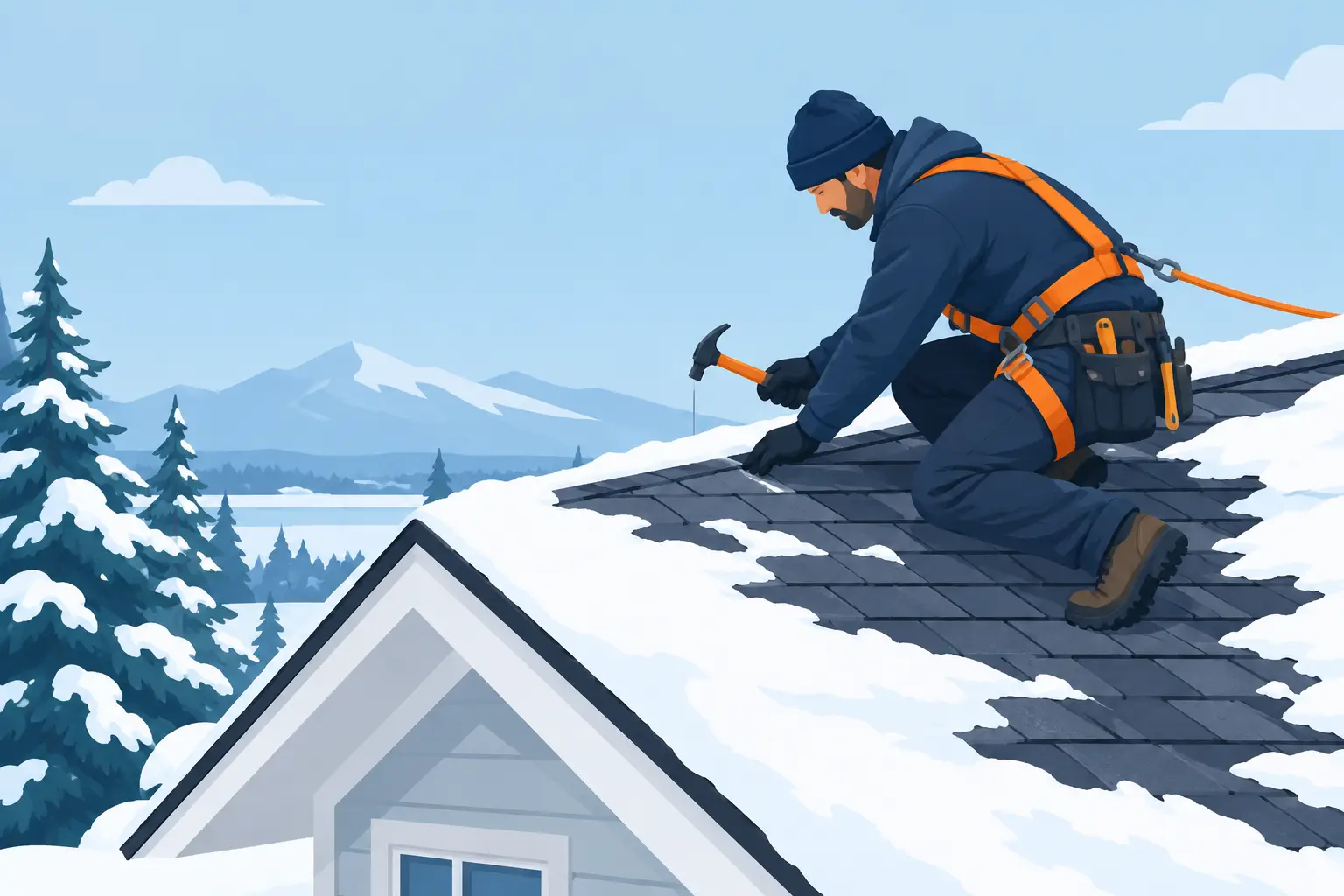
Roofers can work in winter when the roof surface is dry, weather conditions are stable, and temperatures meet the installation requirements for the material being used. Cold air alone does not automatically stop a roofing project. Snow, ice, high winds, freezing rain, and wet surfaces are usually the bigger concerns.
Safety comes first. A roof covered in frost or black ice is not a safe place for a crew, and strong winds can make handling shingles, underlayment, or membrane materials dangerous. Working on a slippery surface also raises the risk of damaged materials and poor installation. Waiting for safe conditions is not a delay for delay’s sake. It protects the crew, the property, and the quality of the finished roof.
Winter work often starts later in the morning than a summer project. Crews may need to wait for frost to lift and the roof deck to dry. Shorter daylight hours can also affect the daily schedule. These factors can extend the calendar time of a project even when the actual installation work is moving efficiently.
Temperature Matters, Especially for Shingle Installation
Asphalt shingles can be installed in cooler weather, but they require additional care. Shingles become less flexible as temperatures drop, which means they can crack if handled roughly or bent too sharply. Proper storage, careful handling, and experienced installation practices make a real difference.
Another consideration is the shingle sealant strip. On a warm, sunny day, that strip activates relatively quickly and helps bond each shingle to the course below. In cold weather, the sealant may take longer to activate. This does not mean the roof is unfinished or unsafe, but it does mean the shingles may need warmer temperatures and sunlight before the final self-seal takes place.
A qualified roofing contractor should also follow the shingle manufacturer’s cold-weather requirements. Some products have specific temperature guidance, fastening requirements, or hand-sealing procedures for installation in lower temperatures. Those details should be part of the work plan, not an afterthought.
For a full replacement, the condition of the roof deck matters just as much as the air temperature. If the decking is wet from snow or rain, it must dry before new roofing materials are installed. Covering moisture inside a roof system can lead to mold, rot, and premature failure later.
Winter Roof Repairs Are Often More Urgent Than Replacement
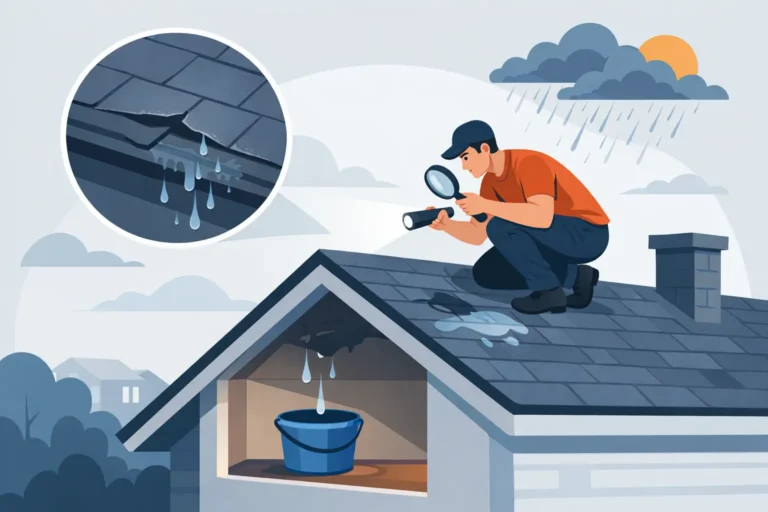
A full replacement may benefit from a stable weather window, but repairs should not always wait until spring. An active leak can damage insulation, drywall, framing, electrical components, inventory, and interior finishes. The longer water has access to the building, the more expensive the final repair can become.
Winter repairs may include replacing wind-damaged shingles, securing loose flashing, repairing a leak around a vent or chimney, clearing a drainage issue, or placing temporary weather protection until permanent work can be completed. The right approach depends on the source of the leak and the condition of the roof.
Temporary protection is not the same as ignoring the problem. It is a practical way to limit damage when snow, ice, or repeated storms make permanent work unsafe that day. A clear estimate should explain whether the proposed work is a lasting repair, a temporary measure, or the first step toward replacement. That clarity prevents surprises when conditions improve.
Flat and Low-Slope Roofs Need a Different Winter Plan
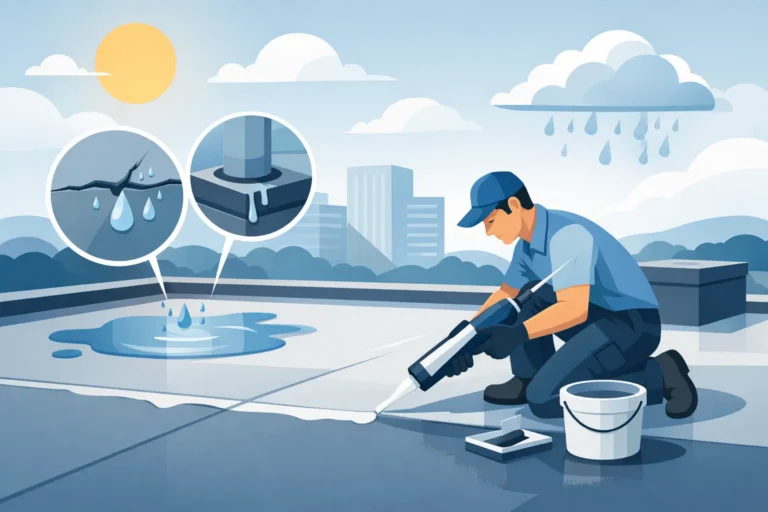
Commercial and low-slope roofs require close attention in winter because water does not shed as quickly as it does on a steep residential roof. Ponding water, clogged drains, damaged seams, and compromised penetrations can all become more serious during freeze-thaw cycles.
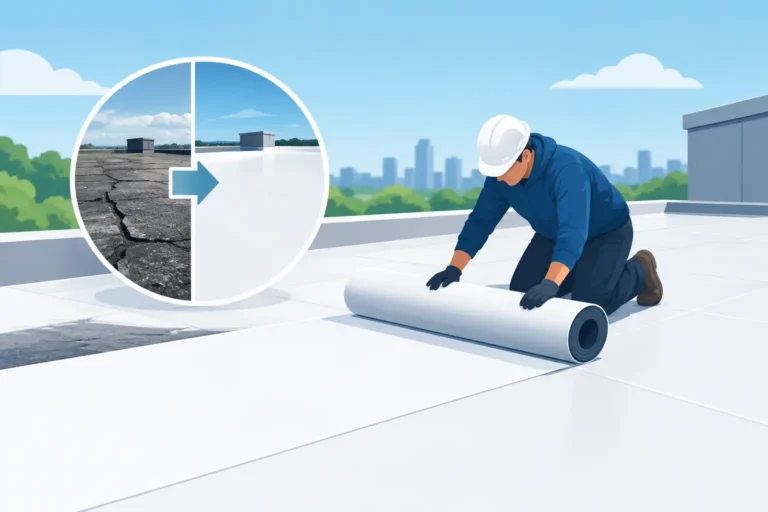
TPO and EPDM membrane repairs are possible in certain cold-weather conditions, but surface preparation is critical. The membrane must be clean and dry, and adhesives, tapes, primers, and sealants may have temperature limitations. A repair that looks acceptable on a cold, damp roof can fail early if the materials cannot bond correctly.
In some situations, a roof restoration or recoating project should wait for the conditions recommended by the coating manufacturer. Coatings need proper surface dryness and curing conditions to perform as intended. If a building has an immediate leak, the priority may be a targeted repair now and a broader restoration plan when weather permits.
Property managers should not assume a winter leak means the entire roof must be replaced immediately. Leak detection can identify whether the issue is a failed seam, flashing detail, drain area, puncture, or a larger membrane problem. That diagnosis helps building owners make a sound decision instead of spending money based on guesswork.
What Can Delay a Winter Roofing Project?
The most common delays are snow accumulation, ice, freezing rain, wet roof decking, high winds, and temperatures outside the manufacturer’s installation range. Forecast uncertainty can matter as well. A roof may be dry and workable in the morning, then become unsafe or exposed by an afternoon storm.
Material handling also takes more time in cold weather. Roofing materials should be stored properly and brought onto the roof carefully. Crews may need to protect exposed areas more frequently as weather changes. This is why a winter project requires planning rather than a promise that every day will be productive.
Insurance-related work can add another layer. If wind, hail, or storm damage has affected the roof, document the damage as soon as possible. Photos of interior staining, missing shingles, fallen materials, and the date of the event can be useful during the claim process. A roofing inspection can then identify the visible damage, likely leak points, and the repairs needed to protect the property.
How to Prepare Your Property for Winter Roofing
Property owners can make a winter roofing visit smoother by ensuring access to the driveway, roof edges, and exterior electrical outlets when needed. Move vehicles away from the work area and keep pets indoors. If snow is covering landscaping or outdoor items, tell the contractor about features that may be hidden from view.
Inside the building, remove fragile items from attic or upper-floor areas if a replacement is planned. Roofing work creates vibration, and an older ceiling or stored belongings may need extra protection. For commercial buildings, notify tenants or staff about the work schedule and identify any areas where interior access may be needed for leak detection.
Most importantly, do not climb onto an icy roof to investigate a leak. Look for interior signs such as ceiling stains, dripping, bubbling paint, or damp insulation, then contact a licensed and insured roofing contractor. A professional inspection is safer and more likely to find the actual entry point, which may be several feet away from where water appears indoors.
Choosing a Contractor for Cold-Weather Work
Winter makes communication especially valuable. Ask whether the proposed repair or replacement meets manufacturer requirements, how the crew will protect exposed areas if weather changes, and what conditions could shift the schedule. You should also receive a detailed, line-item estimate that defines the scope of work, materials, protection measures, cleanup, disposal, and warranty information.
DLR Construction approaches winter projects with the same focus as any other roofing job: protect the property, use the right materials and methods, and be straightforward about conditions that affect the work. For owners in Durand and nearby communities, a free estimate can provide a practical plan before a small winter issue becomes a larger spring repair.
If your roof is leaking, damaged, or nearing the end of its life, do not wait for perfect weather to get answers. A timely inspection can identify what needs immediate attention, what can be scheduled for a suitable weather window, and how to keep your home or building protected in the meantime.