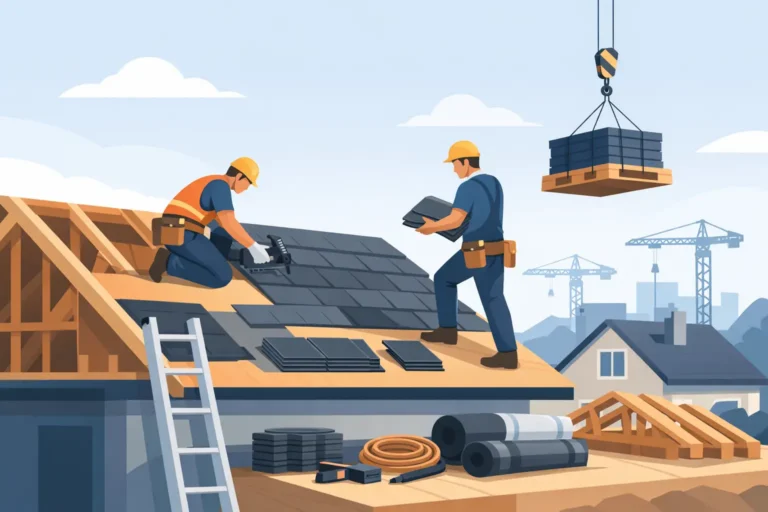


A ceiling stain after a hard rain is rarely the first sign that a roof is aging. Most homeowners notice smaller warnings first: shingle granules in the gutters, curled edges, dark streaks, repeated small repairs, or a roof that simply looks worn compared with neighboring homes. Residential roof replacement is a major investment, but waiting for a visible interior leak can turn a manageable project into damage to insulation, drywall, framing, and belongings.
For homeowners in Durand and nearby communities, the decision often comes down to separating a repairable issue from widespread roof deterioration. A thorough inspection and a clear, line-item estimate make that decision much less stressful. You should know what is being replaced, how your property will be protected, what cleanup includes, and what warranty coverage applies before work begins.
When Residential Roof Replacement Makes More Sense Than Repair
A repair is often the right answer when damage is limited to one area. A few missing shingles after wind, a damaged pipe boot, or a small flashing issue may not require replacing the entire roof. The key question is whether the roof system around that problem is still in good condition.
Replacement becomes the more practical choice when shingle wear is widespread, leaks keep returning in different locations, or the roof is nearing the end of its expected service life. Shingles that are cracking, curling, losing large amounts of granules, or showing exposed fiberglass are not likely to improve with spot repairs. If several repairs are needed within a short period, putting more money into an aging roof may only delay the larger project.
Michigan weather adds another layer to the decision. Freeze-thaw cycles, heavy snow, wind-driven rain, and ice dams can expose weak areas that went unnoticed during milder weather. A roof can look acceptable from the driveway while having deteriorated flashing, failing underlayment, or soft decking beneath the shingles. That is why an inspection should include more than a quick look from the ground.
Signs That Deserve a Prompt Inspection
Some roofing concerns can wait for a scheduled assessment, but active leaks and sudden storm damage deserve quick attention. Call for an inspection if you see water entering the home, sagging roof areas, missing shingles after a storm, daylight in the attic, or dark spots spreading across ceilings or walls.
Other signs are less urgent but still worth addressing before the next season of severe weather. These include granules collecting at downspouts, uneven shingle lines, moss growth that holds moisture, loose flashing around chimneys, and rising concerns about the roof’s age. A local roofing contractor can assess whether targeted repairs will protect the home or whether replacement is the more dependable path.
What a Complete Roof Replacement Should Include
A roof is not just a layer of shingles. It is a system of materials working together to move water away from the house, manage airflow, and protect the structure below. A quality replacement begins with evaluating the existing roof and identifying any concealed issues that could affect the work.
For most homes, the existing roofing material is removed so the roof deck can be inspected. This tear-off matters because it allows damaged or soft decking to be identified rather than covered over. It also gives the installer a clean surface for the new roofing system.
The replacement system should include appropriate underlayment, ice and water protection where needed, properly installed flashing, ventilation components, and shingles designed for the home. Details at valleys, wall transitions, chimneys, skylights, vents, and pipe penetrations are especially important. These areas handle concentrated water flow or changes in roof geometry, which makes them common sources of future leaks when installation is rushed.
Ventilation deserves particular attention. Inadequate attic ventilation can trap heat and moisture, contribute to ice dam concerns, and shorten shingle performance. The right ventilation approach depends on the home’s attic layout, insulation, existing intake openings, and exhaust design. There is no one-size-fits-all fix, which is why the roof should be evaluated as part of the whole home rather than as shingles alone.
How to Read a Roofing Estimate Without Surprises
A low number on an estimate is not always a low-cost project. It may leave out tear-off, disposal, deck repair allowances, flashing work, ventilation changes, or protection for landscaping and exterior surfaces. Those omissions can lead to unexpected charges or incomplete work after the project is underway.
A detailed estimate should state the roofing materials being installed, the areas included in the scope, and whether old materials will be removed. It should also explain protection measures for siding, windows, landscaping, and driveways; how debris will be collected and disposed of; and what happens if concealed deck damage is found. Warranty information should be clear, including the difference between a manufacturer material warranty and a contractor workmanship warranty.
Ask direct questions before accepting an estimate. Will flashing be inspected and replaced where needed? How will nails and debris be cleaned up? Who is responsible for permits if they are required? Is the contractor licensed and insured? A dependable contractor should answer plainly and put the important details in writing.
Comparing Estimates Fairly
When comparing proposals, make sure each contractor is pricing the same scope of work. One estimate may include full tear-off and new underlayment while another assumes an overlay or leaves key components unspecified. Comparing only the final dollar amount can hide meaningful differences in protection and long-term value.
It also helps to consider communication. A roof replacement affects daily routines, parking, pets, outdoor furniture, and access to the home. The contractor should explain the anticipated schedule, what homeowners need to move or protect, and how the crew will handle cleanup at the end of each day. Clear expectations are part of professional workmanship, not an extra.
Preparing Your Home for Replacement Day
A little preparation can make the project smoother for everyone. Move vehicles out of the driveway and away from the work area so materials can be delivered and debris can be removed safely. Clear patio furniture, grills, planters, and fragile items from around the home. If you have wall decorations or delicate items indoors, consider securing them because roofing work can create vibration.
Keep children and pets away from the work zone. Roofing crews use ladders, tools, and materials that require a clear, controlled area. If you work from home, plan for construction noise during the day and let the contractor know about any access needs in advance.
Good crews take protection seriously. That includes using appropriate measures around landscaping and exterior surfaces, keeping the job site organized, and performing a final cleanup that includes checking for stray nails. Homeowners should not have to guess whether their yard, driveway, and property will be respected during the work.
Storm Damage and Insurance Claims
Wind and hail damage can create roofing problems that are difficult to judge from the ground. If a storm has affected your neighborhood, an inspection can document visible conditions and identify whether the damage appears consistent with a covered event. This information can be useful when you contact your insurance carrier.
An insurance claim does not automatically mean a full replacement is approved, and a contractor should not promise an outcome they do not control. Coverage depends on the policy, deductible, roof age, documented damage, and the insurer’s assessment. What a roofing contractor can do is provide an honest inspection, explain the work needed, and supply clear scope information for the claim process.
Avoid making permanent repairs before damage has been documented unless immediate action is needed to prevent further water intrusion. Temporary protection may be necessary, but take photos and keep records of the date of the storm, visible damage, and any emergency measures taken.
Choose Accountability, Not Just a Crew
Your roof protects nearly every part of your home, so the right contractor should be easy to reach before, during, and after the project. Family-owned DLR Construction brings local experience, licensed and insured work, and detailed estimates to homeowners who want straightforward answers instead of vague promises.
The best time to plan a replacement is before a small weakness becomes interior damage. If your shingles are showing their age, repairs are becoming frequent, or a recent storm has raised questions, a free estimate can give you a clear picture of your options and a practical next step.