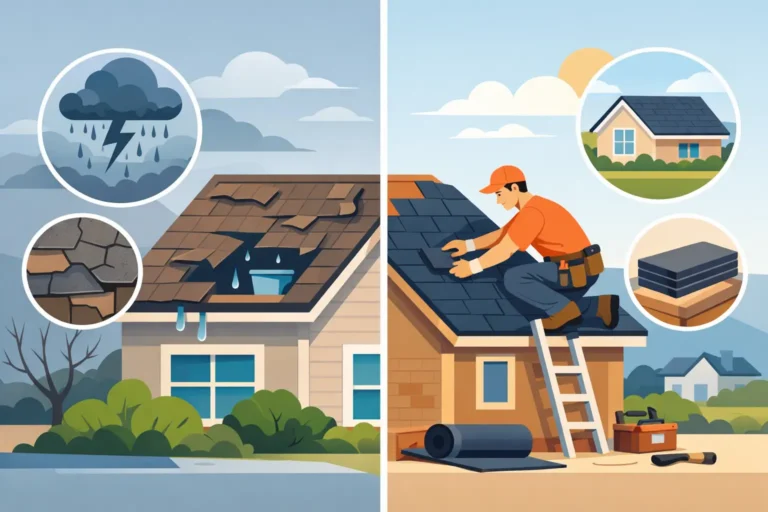


A commercial roof rarely fails on a convenient schedule. A small ceiling stain, recurring ponding water, or a repair that no longer holds can quickly become a disruption for tenants, employees, inventory, and daily operations. Good commercial reroofing planning gives building owners time to make sound decisions before an urgent leak makes the decision for them.
The goal is not simply to put a new membrane over an old roof. It is to understand the roof’s condition, identify the source of problems, compare realistic options, and plan the work around the building’s needs. For low-slope buildings, that often means weighing repair, restoration, or full replacement based on facts rather than guesswork.
Start With the Roof You Have
The first step in commercial reroofing planning is a thorough inspection. Age matters, but it is not the whole story. A roof near the end of its expected service life may still be a candidate for restoration, while a younger roof with trapped moisture or widespread seam failure may need more extensive work.
A proper assessment looks beyond the visible surface. The condition of the membrane, flashings, drains, penetrations, edge details, and rooftop equipment all affect the recommendation. On TPO and EPDM systems, seams and flashing transitions deserve close attention because they are common locations for leaks. Areas around HVAC curbs, pipes, drains, and parapet walls should also be checked carefully.
Interior conditions provide useful clues as well. Water stains, dripping during wind-driven rain, musty odors, damaged insulation, or repeated leaks in the same area can point to a roof issue that needs more than a patch. The visible leak inside a building is not always directly below the entry point outside, so leak detection should be part of the process.
A detailed inspection gives an owner a clearer answer to a basic question: Is this roof still serviceable, or is continued repair only delaying a larger problem?
Decide Between Repair, Restoration, and Replacement
Not every aging commercial roof needs a complete tear-off. The right option depends on the membrane condition, moisture in the roofing assembly, drainage performance, and the owner’s long-term plans for the property.
Targeted repairs can make sense when damage is isolated. A puncture, failed flashing detail, or limited seam issue may be repaired if the surrounding roof remains in good condition. Repairs are generally the least disruptive option, but they should not become a cycle of spending money on one leak after another while the larger system continues to deteriorate.
Restoration can be a practical middle ground for a roof with a sound substrate and limited defects. A flat-roof coating system, such as Insta-Coat, can seal and recoat an eligible roof at a lower cost than full replacement while reducing tear-off waste. It is an attractive option when the roof can be properly cleaned, prepared, repaired, and coated as a complete system.
Replacement is usually the more responsible choice when there is widespread membrane failure, saturated insulation, major drainage concerns, extensive deterioration, or too many previous repairs. A full tear-off allows the contractor to inspect the deck and replace damaged materials rather than covering problems that will remain underneath. It costs more upfront, but it can provide a more reliable reset for a building with serious roofing issues.
There is no one-size-fits-all answer. A trustworthy recommendation should explain why one path is better for your roof, along with the trade-offs in cost, expected life, disruption, and future maintenance.
Build the Scope Before You Build the Budget
A vague reroofing estimate is hard to compare and even harder to trust. Before approving work, building owners should understand exactly what the project includes. The scope should identify whether the existing roof will be torn off or restored, the membrane system being installed, the work required at flashings and penetrations, and how drainage concerns will be addressed.
For a replacement project, the scope should also cover removal and disposal of old roofing materials, replacement of wet or damaged insulation when found, deck repairs if needed, and protection of landscaping, entrances, and occupied areas. On an active commercial property, these details are not minor. They affect safety, cleanup, scheduling, and whether the work creates avoidable surprises.
Material selection should be based on building conditions, not simply the lowest price. TPO and EPDM are both proven low-slope membrane systems, but the best fit can depend on the roof design, existing assembly, flashing requirements, exposure, and maintenance expectations. A contractor should be able to explain the proposed system in plain language and identify the warranty information that applies to the work.
A detailed line-item estimate makes it easier to compare proposals fairly. It also helps owners distinguish between a complete roofing solution and a price that may leave out necessary preparation, protection measures, or repairs.
Plan Around Weather, Occupants, and Operations
Commercial reroofing affects more than the roof. Noise, odors, staging areas, access routes, and daily foot traffic all need consideration. A building with retail tenants, office staff, medical services, or stored inventory requires a different plan than an unoccupied warehouse.
Talk through operating hours before work begins. Some activities, such as tear-off or work near rooftop equipment, may need to happen during less disruptive times. Building occupants should know where crews will be working, whether entrances or parking areas will be affected, and who to contact if they notice an issue.
Michigan weather also plays a real role in scheduling. Rain, high winds, freezing conditions, and sudden temperature changes can affect roofing work and membrane installation. A responsible schedule accounts for weather windows without rushing critical details just to meet a calendar date.
Protection planning matters just as much. Contractors should establish safe debris handling, protect building openings and exterior areas, manage daily cleanup, and secure the roof at the end of each workday. If a roof is opened during a tear-off, the crew needs a clear plan for temporary weather protection should conditions change.
Address Drainage Before It Becomes a Repeat Problem
Standing water is one of the most common warning signs on a low-slope roof. It can accelerate membrane wear, expose weak seams, and make minor defects more likely to become leaks. Reroofing is the right time to identify why water is not leaving the roof as intended.
The issue may involve clogged drains, undersized drainage, damaged scuppers, poor slope, or insulation that has settled over time. Not every area of temporary water requires a major redesign, but persistent ponding deserves attention. Ignoring it may shorten the life of a new roof system.
A clear project plan should state whether drain cleaning, drain repairs, tapered insulation, or other corrective measures are included. This is another area where the lowest estimate may not represent the best long-term value.
Choose Accountability, Not Just a Price
Commercial reroofing is a significant property expense, and owners deserve clear communication from the first inspection through final cleanup. Ask who will supervise the work, how unexpected conditions will be documented, what happens if damaged decking or wet insulation is discovered, and how warranty responsibilities are handled.
Licensed and insured contractors provide an added layer of protection, but communication is equally important. You should know what work is planned, when it will happen, and what the crew will do to protect the property. DLR Construction provides detailed estimates so commercial owners can see the scope, materials, disposal, cleanup, and warranty information before making a decision.
For building owners in Durand and surrounding communities, the best time to request a free estimate is before the next leak becomes an emergency. A careful inspection and a clearly defined plan can give you room to choose the solution that protects both your roof and the people who depend on the building.