

A brown ceiling stain after a Michigan rainstorm is rarely just a cosmetic problem. Water may have traveled several feet from the actual roof opening before it reached the ceiling drywall. To stop ceiling leaks without creating a larger repair bill, protect the room first, control active water, and have the roof system inspected before the next storm finds the same weak point.
Start With Safety and Limit the Interior Damage
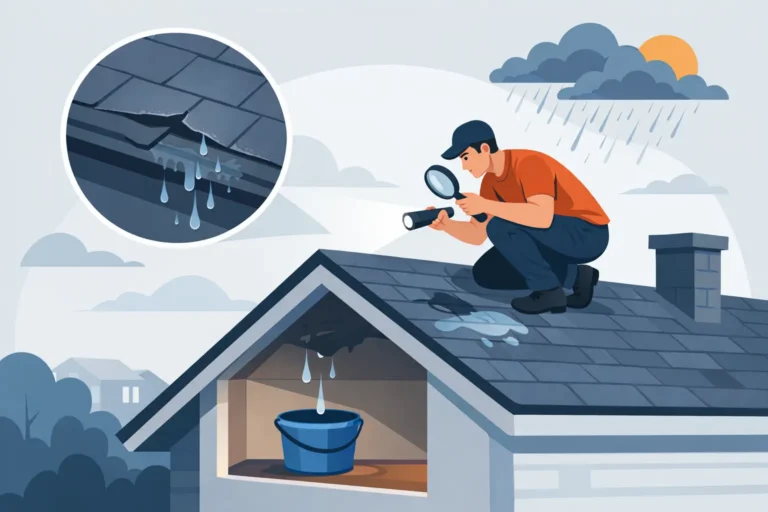
If water is dripping from a ceiling, move furniture, rugs, electronics, and valuables away from the affected area. Put a bucket or deep container under the drip, then protect the surrounding floor with towels or plastic sheeting. If water is close to a light fixture, ceiling fan, outlet, or electrical panel, turn off power to that area at the breaker if it is safe to do so. Do not touch a wet fixture or stand in water while handling electrical equipment.
A ceiling that is bulging or sagging may be holding a surprising amount of water. Do not leave it alone and hope it dries out. Wet drywall can lose strength quickly and may collapse without much warning. If you can safely reach the low point while standing on a stable surface, carefully puncturing it with a small screwdriver can let the water drain into a bucket in a controlled way. Wear eye protection, keep your face out of the path of the water, and stop if the ceiling appears unstable.
This step does not fix the leak, but it can prevent a large section of drywall from falling and reduce damage to framing, insulation, flooring, and personal property.
Why a Ceiling Leak Is Often Hard to Locate
The spot on the ceiling is a clue, not a diagnosis. On a sloped roof, water can enter near a damaged shingle, worn pipe boot, chimney flashing, valley, vent, or roof-to-wall transition. It may run along roof decking or framing until it finds a gap around a light fixture, drywall seam, or attic penetration.
On a low-slope commercial roof, the source may be a split membrane seam, deteriorated flashing, a drain issue, ponding water, or a penetration around HVAC equipment. The leak can show up well away from the damaged membrane area.
Ice can complicate the picture during Michigan winters. Ice dams can force meltwater beneath shingles near an eave, producing stains or drips even when the roof surface otherwise appears intact. Condensation can also mimic a roof leak, particularly around poorly insulated attic areas, bath vents, or unconditioned spaces. That is why a careful inspection matters more than guessing based on the location of the stain.
What You Can Check From the Ground and Attic
Property owners can collect useful information without climbing onto the roof. From the ground, look for missing or lifted shingles, visible storm debris, damaged gutters, loose flashing, or branches that have rubbed against the roof. Take photos after a storm if you see anything unusual. Those photos may be useful for a repair discussion or an insurance claim.
If your attic is safely accessible, inspect it during daylight hours with a flashlight. Look for wet insulation, darkened roof decking, rusty nails, damp framing, mildew, or a water trail. Check around plumbing vents, bathroom exhaust ducts, chimneys, skylights, and attic vents. The highest visible wet area often points closer to the entry point than the ceiling stain below.
Avoid stepping between attic joists or disturbing wet insulation. Do not assume a dry attic means the roof is clear. Some leaks occur only under wind-driven rain, only when snow is melting, or only after water has backed up at a particular roof detail.
Temporary Measures That Can Help, and Their Limits
A tarp can reduce incoming water after wind damage, but only when it can be installed securely without exposing anyone to a fall. A wet, steep, icy, or storm-damaged roof is not a do-it-yourself work area. Improperly placed tarps can blow loose, trap water, damage shingles, or create new openings where they are fastened.
Inside, buckets, controlled draining, and ventilation are useful short-term measures. Run fans and a dehumidifier after the leak is stopped to help dry the area, but do not close up wet ceiling cavities before they have been evaluated. Moisture trapped behind drywall or above insulation can lead to odors, staining, mold growth, and wood deterioration.
Sealants are also frequently misunderstood. Caulk around an exposed area may slow a small leak, but it is not a dependable repair for failed flashing, missing shingles, worn pipe boots, damaged underlayment, or an aging membrane. A roof works as a layered drainage system. Covering the visible symptom without correcting the failed component often means the leak returns at the next hard rain.
How Professionals Stop Ceiling Leaks at the Source
A proper roofing inspection follows the path of water instead of treating the ceiling stain as the problem. The roofer evaluates roof coverings, flashings, penetrations, transitions, valleys, drainage, attic conditions, and signs of storm damage. For commercial buildings, the inspection also considers membrane seams, terminations, rooftop equipment curbs, drains, and areas where water remains after rainfall.
The right repair depends on what the inspection finds. A localized issue might call for replacing damaged shingles, repairing flashing, installing a new pipe boot, or correcting a failed valley detail. If the problem is tied to widespread wear, repeated repairs, or storm-related damage across the roof, replacement may be the more responsible investment.
For low-slope properties, a repair may address a specific puncture or open seam. When the roof is aging but still structurally sound, a restoration coating system can sometimes extend service life at a lower cost than a full tear-off. That option depends on the condition of the existing roof, moisture within the system, drainage, and the type of membrane already in place. No reliable contractor should recommend recoating a roof without checking those conditions first.
A detailed estimate should explain the proposed scope, the materials and repair areas involved, how landscaping or building areas will be protected, cleanup and disposal plans, and warranty information. Clear line items help owners compare more than just the bottom price. They show whether the contractor has accounted for the work needed to solve the cause of the leak.
When to Call Right Away
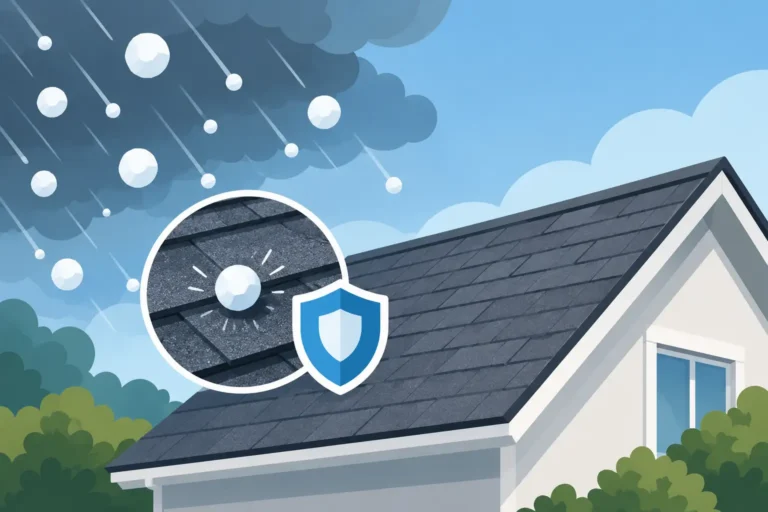
Some ceiling leaks should be treated as urgent even if the dripping seems manageable. Call for a roofing inspection promptly when water is near electrical fixtures, drywall is sagging, a leak follows a wind or hail event, multiple ceiling areas are affected, or water is entering an occupied commercial space. A leak that stops when the rain stops still deserves attention. Materials may remain wet long after the visible drip disappears.
For homeowners in Durand, Byron, Gaines, Swartz Creek, Howell, Fowlerville, and Williamston, local conditions matter. Freeze-thaw cycles, heavy rain, wind, ice, and tree debris can turn a small roofing weakness into an interior problem quickly. DLR Construction provides free estimates built around the actual condition of the roof, with licensed and insured workmanship and a clear explanation of the repair or replacement options.
Document Damage Before Cleaning It Up
Take photos and short videos of the ceiling stain, active dripping, wet belongings, exterior debris, and any visible roof damage. Note the date, weather conditions, and rooms affected. Keep receipts for reasonable emergency protection or drying measures.
If storm damage may be involved, documentation can make conversations with your insurance carrier easier. Still, do not wait for a claim decision before taking sensible steps to prevent additional interior damage. Insurance policies commonly expect property owners to mitigate further loss where they can do so safely.
Do not repaint a stain or patch the ceiling until the leak source is corrected and the affected area is dry. Covering it too soon can hide continuing moisture and make future inspection harder. A dry, repaired roof and properly dried ceiling give you a real fresh start – not a temporary cover over a problem waiting for the next storm.