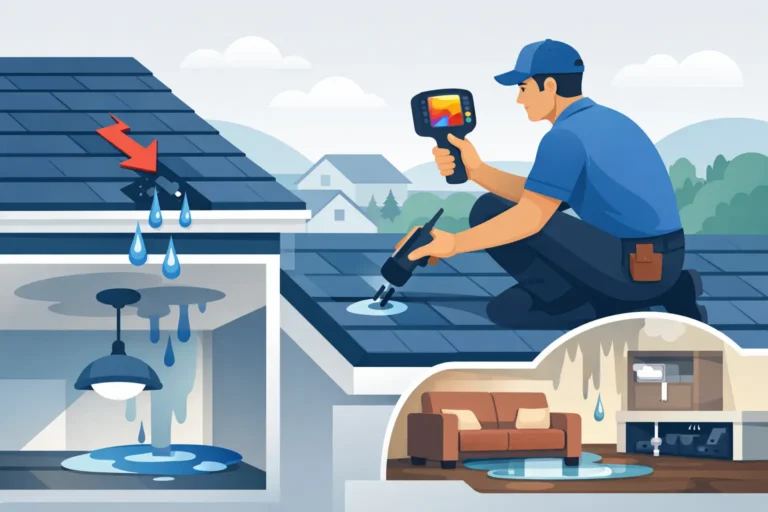


A roof rarely fails all at once. More often, it gives property owners a series of warnings: a small ceiling stain after a hard rain, shingle pieces in the yard, a leak that keeps returning, or a roof that simply looks worn out from the street. If you are searching for how to know roof needs replacement, the goal is not to panic over every imperfection. It is to recognize when isolated repairs are no longer protecting the building and a planned replacement is the safer financial choice.
For homes and commercial properties in Michigan, snow, ice, wind, freeze-thaw cycles, and summer storms can speed up normal roof aging. A professional inspection can separate cosmetic wear from conditions that threaten the roof system, decking, insulation, and interior.
How to Know Your Roof Needs Replacement, Not Another Repair
The key question is not whether the roof has a problem. Nearly every roof will need a repair at some point. The question is whether the problem is limited and fixable, or part of a larger pattern of material failure.
A repair often makes sense when a newer roof has a small, clearly defined issue, such as damage around a vent, a few missing shingles after wind, or a leak caused by flashing. Replacement becomes more reasonable when leaks recur in different areas, the roofing material has widespread wear, or repairs would only extend a failing roof for a short time.
Age matters, but it is not a verdict by itself. Asphalt shingle roofs can age differently based on ventilation, installation quality, weather exposure, number of shingle layers, and past storm damage. A roof that is near the end of its expected service life deserves a close inspection, especially before spending money on major repairs.
Shingles are curling, cracking, or losing granules
Asphalt shingles protect the roof by shedding water and shielding the underlying materials from sunlight. When shingles curl at the edges, crack across the surface, or become brittle, they are less able to seal against wind-driven rain. Missing tabs and exposed nail heads are also signs that water can find a path below the shingles.
Granule loss is another common warning. A small amount of loose granules can be normal, particularly on a newer roof. But heavy accumulations in gutters or downspouts, bald-looking shingle areas, and dark patches where the surface coating has worn away point to broader deterioration. Granules are not just cosmetic. They help protect the shingle from UV exposure and weathering.
The roof looks uneven or feels soft in places
A roofline should generally appear straight and consistent. Dips, waves, or sagging can indicate problems beneath the visible roofing material. Moisture-damaged decking, structural movement, or long-term water intrusion may be involved.
Inside the attic, a soft area in the roof deck, dark staining, or visible daylight should be taken seriously. Do not walk on a questionable roof or attempt to probe soft decking from above. An inspection can determine whether the issue is confined to a small area or whether replacement needs to include damaged sheathing.
Leaks keep coming back
One repaired leak does not automatically mean a roof replacement is needed. Flashing around chimneys, wall intersections, skylights, and penetrations can fail while the rest of the roof remains in good condition. However, repeated leaks are different. If water appears in new areas, repairs have been made several times, or ceiling stains return after each storm, the roof may no longer be performing as a complete system.
Water does not always show up directly below its entry point. It can travel along decking, framing, insulation, or electrical pathways before it becomes visible indoors. That is why leak detection should look beyond the stain on the ceiling and identify the actual source.
Attic moisture and ventilation problems are showing up
A damp, musty attic can shorten roof life even when there is no obvious roof leak. Frost on the underside of the roof deck in winter, mold-like staining, wet insulation, and rusted fasteners can signal condensation caused by poor ventilation or air leakage from the living space below.
Replacement may be the right time to correct ventilation and intake or exhaust issues that contributed to premature aging. Installing new shingles without addressing the conditions beneath them can leave a homeowner with the same moisture problem and a shorter-lived roof.
Storm Damage Can Change the Decision Quickly
Hail and high winds can damage a roof in ways that are easy to miss from the ground. Wind may lift shingles enough to break their seal, crease them, or expose the roof to later water intrusion. Hail can bruise shingle surfaces and reduce their ability to protect the roof over time, even when the damage does not immediately create a leak.
After a significant storm, look for missing shingles, torn edges, debris impact, damaged gutters, and pieces of roofing material around the property. Avoid relying solely on a quick visual check from a ladder. Some of the most meaningful damage is subtle and requires a close inspection of the shingles, flashing, vents, and roof penetrations.
If insurance may be involved, documentation matters. Take clear photos of visible conditions, note the date of the storm, and report interior leaks promptly. A detailed roofing estimate should clearly distinguish storm-related damage, necessary repairs, recommended replacement work, disposal, property protection, and warranty information. Clear scope helps property owners understand what they are approving and gives them useful documentation for a claim.
Warning Signs on Flat and Low-Slope Commercial Roofs
Commercial roofs do not show wear in exactly the same way as shingle roofs. TPO and EPDM membrane systems can develop seam separation, punctures, flashing failures, open edges, standing water, or surface deterioration. Water stains inside a building may be the first clue, but the roof should be evaluated before the leak reaches insulation or decking.
Ponding water that remains well after rainfall deserves attention. While some low-slope roofs hold temporary water, persistent ponding can accelerate membrane wear and place stress on seams and drains. Blocked drains, poor slope, and damaged insulation can all be contributing factors.
A full tear-off and replacement is not always the only answer for a commercial roof. If the existing roof is dry, structurally sound, and suitable for restoration, a coating or recoating system may offer a lower-cost way to extend service life. If there is widespread trapped moisture, membrane failure, deteriorated insulation, or multiple unresolved leaks, replacement may provide the more dependable long-term result. The right choice depends on the roof’s condition, not just its age.
What a Professional Roof Inspection Should Answer
A useful inspection should leave you with more than a general statement that the roof is “good” or “bad.” It should identify the condition of the roofing material, flashing, penetrations, valleys, drainage areas, decking where accessible, attic ventilation, and evidence of active or past moisture intrusion.
For property owners deciding between repair and replacement, ask for a clear explanation of the trade-off. How long is a repair likely to last? Does the roof have widespread wear beyond the visible problem? Will new materials tie into the existing roof reliably? Is there hidden damage that could increase the scope once work begins? Honest answers help prevent a low-cost repair from becoming repeated expense.
A detailed line-item estimate also matters. It should explain the planned work, whether existing materials will be removed, how landscaping and siding will be protected, what cleanup and disposal are included, and what warranty coverage applies. Roofing is a major investment, and there should be no surprises about the work being performed.
Do Not Wait for a Major Interior Leak
Many owners wait because the roof is not actively leaking into the home or building. That can be an expensive threshold. By the time water reaches a ceiling, it may have already affected insulation, decking, framing, or electrical components. A roof inspection is far easier to schedule and budget for before an emergency develops.
This does not mean every aged roof needs immediate replacement. A qualified local roofing contractor can often make a targeted repair when the system is otherwise sound. But if the signs point to broad deterioration, planning the replacement on your schedule gives you more control over materials, timing, and cost than waiting for the next storm to make the decision.
DLR Construction provides free estimates for homeowners and building owners who need a clear, practical assessment of roof condition. When a roof is showing its age, a straightforward inspection and a written scope can turn uncertainty into a manageable next step.