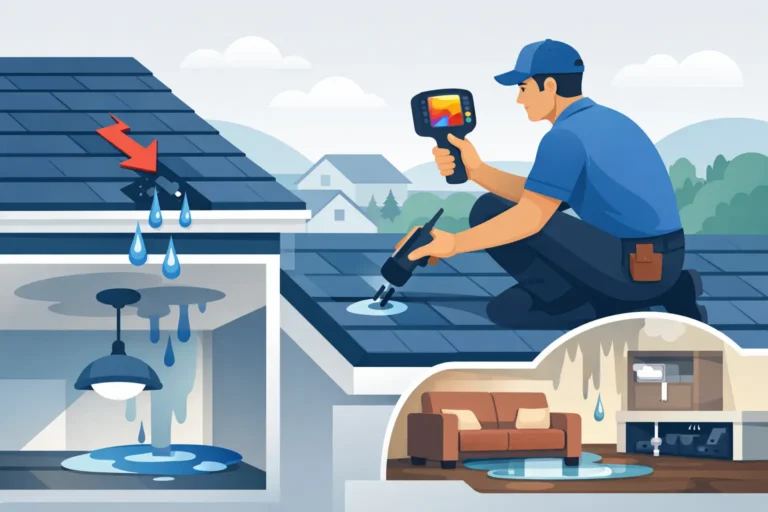


A roof replacement is not a purchase most property owners plan years in advance. Often, the budget conversation starts after shingles begin failing, a leak appears on the ceiling, or a storm exposes damage that was not visible from the ground. Knowing how to budget for reroofing before signing a contract helps you make a sound decision without cutting corners on the work that protects your home or building.
The goal is not to find the lowest number on paper. It is to understand the full scope of work, set aside room for conditions discovered during tear-off, and compare estimates that describe the same level of protection. A clear plan gives you control, whether your roof needs immediate attention or you have time to prepare.
Start With the Actual Scope of the Reroofing Project
Your roof size matters, but square footage alone does not determine the cost of reroofing. Roof pitch, the number of valleys and dormers, chimney flashing, skylights, ventilation needs, access around the home, and the number of existing roofing layers all affect labor and material requirements.
A simple, walkable roof generally takes less time and has less waste than a steep roof with several transitions. On a residential project, the estimate may also need to account for removal of old shingles, replacement of underlayment, ice and water protection in vulnerable areas, new flashing, ridge ventilation, and disposal. If an estimate only gives one broad number without explaining those details, it is difficult to know what is included.
For a commercial low-slope roof, budgeting starts with a thorough inspection of the existing membrane, insulation, drains, seams, penetrations, and deck condition. A repair or restoration may be appropriate in some situations, while widespread deterioration or trapped moisture can point to replacement. TPO, EPDM, and coating systems have different installation requirements and expected service lives, so they should not be compared only by their upfront price.
Build Your Budget From a Detailed Estimate
A dependable reroofing estimate should be detailed enough to show what your investment covers. This does not mean you need to become a roofing expert. It means the contractor should be willing to explain the work in plain language before the project begins.
Look for a line-item scope that addresses removal, materials, labor, protection of landscaping and exterior surfaces, cleanup, disposal, and warranty information. It should also identify the roofing system being installed and any work planned around chimneys, vents, skylights, walls, or low-slope transitions.
When reviewing estimates, ask whether the price includes permit costs if a permit is required, delivery charges, dumpster or disposal fees, and replacement of common accessories. A low initial quote can become expensive if it leaves out items that are necessary for a complete installation.
It is also wise to confirm who will manage the project and how communication will work if a question comes up during installation. Local, family-operated contractors such as DLR Construction can provide direct accountability from inspection through cleanup, which matters when you are making a significant investment in your property.
Set Aside a Contingency for Hidden Conditions
Even a careful exterior inspection cannot reveal every issue beneath existing roofing. Once old materials are removed, the crew may find deteriorated decking, damaged fascia, inadequate ventilation, or water-related issues around a chimney or penetration.
A practical budget includes a contingency amount for legitimate hidden repairs. The right amount depends on the age and condition of the roof, whether leaks have occurred, and how much wear is visible from the attic or roof surface. A newer roof with no history of leaks may need less room than a roof that has been covered over multiple times or has soft spots and interior staining.
Ask the contractor how concealed damage is handled. You should know whether additional work requires your approval, how it will be documented, and how pricing for deck replacement or related repairs is calculated. No one wants an unexpected expense, but a contractor who identifies a problem before covering it back up is protecting the building, not creating a problem.
Separate Urgent Repairs From Long-Term Planning
If your roof is actively leaking, waiting for the perfect budget can allow moisture damage to spread into insulation, framing, ceilings, and walls. In that situation, request an inspection promptly. A targeted repair may buy time, but it should be evaluated honestly. Repeated patching can become more costly than replacement when the overall system is at the end of its service life.
If replacement is not urgent, use the time to plan. Review your household or property maintenance budget, determine what funds are available, and decide whether financing will be needed. Planning ahead also gives you a better chance to schedule work during favorable weather rather than reacting to an emergency.
For commercial properties, avoid treating roofing as a single emergency expense. Track past leak locations, repair frequency, membrane condition, and interior damage. Those records make it easier to budget for restoration or replacement before a small problem disrupts tenants, operations, or inventory.
Understand What Insurance May and May Not Cover
Insurance can change the budget conversation after hail, wind, or other covered storm damage. However, insurance does not automatically pay for an aging roof that has simply reached the end of its useful life. Coverage depends on the cause of damage, your policy terms, deductible, roof age, and the insurer’s assessment.
After a storm, document visible conditions safely from the ground and contact a qualified contractor for an inspection. Do not assume that a missing shingle or ceiling stain tells the whole story. A contractor can identify storm-related concerns, explain the recommended scope, and provide documentation that supports a clear conversation with your insurer.
Budget for your deductible even when a claim is likely. Also remember that an approved claim may address specific storm damage while unrelated maintenance issues remain your responsibility. Be cautious of anyone who promises an outcome before the roof has been inspected and the claim has been reviewed.
Compare Value, Not Just the Bottom-Line Price
Two reroofing estimates can look similar at first glance while covering very different work. One may include complete tear-off, proper underlayment, flashing replacement, ventilation improvements, cleanup, and a meaningful workmanship warranty. Another may leave key details unclear or price only the most visible materials.
Ask each contractor to explain differences in scope rather than trying to compare totals alone. Confirm licensing and insurance coverage, request warranty details in writing, and ask how the crew will protect siding, windows, gutters, landscaping, and driveways. These items affect the finished project and your experience while work is underway.
The least expensive option may be appropriate only if the scope is truly equivalent. If it is not, the lower price can shift costs to you later through repairs, premature failure, or work that should have been done correctly the first time.
Budget for the Work Around the Roof
Reroofing affects more than the roof surface. Consider where vehicles will park, how children and pets will be kept clear of the work area, and whether attic contents need protection from dust or vibration. If you manage a commercial building, coordinate access, parking, tenant notices, and protection for equipment or inventory below the roof.
You may also need to budget for related work that is best completed at the same time, such as gutter repairs, chimney masonry repairs, or correcting attic ventilation. Not every adjacent project has to happen immediately, but discussing those conditions during the estimate helps you prioritize rather than being surprised later.
Questions to Ask Before You Commit
Before approving a reroofing proposal, make sure you can answer a few basic questions: What exactly is being removed and installed? What protection will be used around vulnerable areas? How will unexpected deck damage be handled? What cleanup and disposal are included? What warranties apply to materials and workmanship?
You should also know the expected schedule, payment terms, and who to contact during the project. Clear answers are a sign that the contractor has planned the work carefully and respects your budget.
A reroofing budget works best when it is built around a complete scope, not a hopeful estimate. Request a free, detailed inspection early, ask direct questions, and give yourself room for the conditions a roof may reveal once the old materials come off. That preparation can turn a stressful roofing decision into a well-managed investment in your property.