

A roof quote can look like one large number, but roofing costs are really the result of several decisions: the condition of the existing roof, the size and shape of the building, the system being installed, and the work needed to protect your property while the job is underway. A clear estimate should make those decisions visible, so you know what you are paying for and why.
For homeowners and property managers in mid-Michigan, the goal is not simply to find the lowest price. It is to choose a roofing scope that solves the actual problem, protects the building for the long term, and does not create expensive surprises after work begins.
What Drives Roofing Costs?
The size of the roof is a starting point, but it is not the whole story. Roofing contractors measure the actual roof surface, not just the square footage inside the building. A steep roof with multiple gables, dormers, valleys, chimneys, skylights, or intersecting sections requires more material, more labor, and more detailed flashing work than a simple roof of the same footprint.
Roof pitch also affects access and safety. A low-slope roof may require a different installation system than a steep residential roof. Steeper surfaces take more time to stage, move materials across, and install safely. Features that look minor from the ground, such as a chimney or a wall transition, can become major details because every penetration and change in direction must be properly sealed.
The existing roof condition matters just as much. If old shingles or membrane layers need to be removed, disposal and labor are part of the price. Once a roof is opened, a contractor may also find damaged decking, wet insulation, deteriorated fascia, or failed flashing. A thorough inspection helps identify visible concerns before the project starts, but hidden damage cannot always be confirmed until the old materials come off.
That is why a fair estimate should state what is included and explain how unforeseen deck repairs or concealed conditions will be handled. No property owner wants an open roof and an unclear bill.
Materials Affect Cost, Performance, and Service Life
Material selection has a direct effect on both initial cost and expected maintenance. For many homes, architectural asphalt shingles are a practical choice because they provide dependable weather protection, a finished appearance, and long-term warranty options when installed as part of a complete system.
A complete shingle system is more than the visible shingles. It can include underlayment, ice and water protection in vulnerable areas, starter materials, ventilation components, flashing, ridge materials, and fasteners designed for the system. Comparing two estimates based only on shingle color or brand can miss meaningful differences in what is being installed beneath and around the shingles.
For commercial and low-slope buildings, TPO and EPDM membranes are common options. The appropriate system depends on roof drainage, existing construction, foot traffic, penetrations, edge details, and the condition of the insulation and substrate. A full tear-off and replacement costs more upfront than a small repair, but it may be the sounder investment when leaks are recurring or the current system has widespread deterioration.
In some cases, a flat-roof coating or recoating system may be a lower-cost alternative to replacement. Restoration can help extend the service life of an eligible roof, reduce waste, and address weathering across a broad area. It is not the answer for every roof. If moisture is trapped below the surface, seams are failing extensively, or the deck and insulation have major problems, replacement may provide better value.
Repair, Replacement, or Restoration?
The most affordable roofing decision is not always the smallest immediate repair. A targeted repair makes sense when the problem is isolated: a damaged flashing detail, a few missing shingles after wind, a puncture in a membrane, or a leak around a penetration. Prompt repairs can prevent interior damage and buy useful time.
Replacement becomes more reasonable when repairs are becoming frequent, the roof is near the end of its service life, or damage extends across large sections. Replacing a failing roof can also allow the contractor to correct ventilation, drainage, flashing, and underlayment issues that repeated patching cannot solve.
For commercial owners, restoration should be evaluated with the same care. A coating system can be an excellent value when the roof is dry, structurally sound, and a good candidate for preparation and recoating. It should be recommended because the roof qualifies, not simply because it appears cheaper on the first estimate.
The right recommendation begins with an inspection. A contractor should be willing to explain the evidence behind a repair, restoration, or replacement recommendation in plain language.
Why Detailed Estimates Matter
A low number without a defined scope is difficult to compare. One proposal may include tear-off, disposal, flashing replacement, protection of landscaping, and complete cleanup. Another may leave some of those items vague or assume they will be added later. The price difference may not reflect better value. It may reflect an incomplete scope.
A useful roofing estimate should identify the roofing system, removal work, underlayment or membrane components, flashing details, ventilation where applicable, and disposal. It should also explain how the crew will protect the home or building during construction and what cleanup looks like when the project is complete. Warranty information should be clear enough that you understand both the material coverage and the contractor’s workmanship responsibility.
For a commercial project, the estimate should also address drainage areas, roof penetrations, edge metal, insulation needs, and whether the work involves a repair, restoration, or full replacement. These details matter because low-slope roofs depend on properly installed seams, transitions, drains, and terminations to manage water.
A detailed proposal is not paperwork for its own sake. It is a written plan for the work, and it gives the property owner a clear way to compare contractors fairly.
Storm Damage and Insurance Claim Considerations
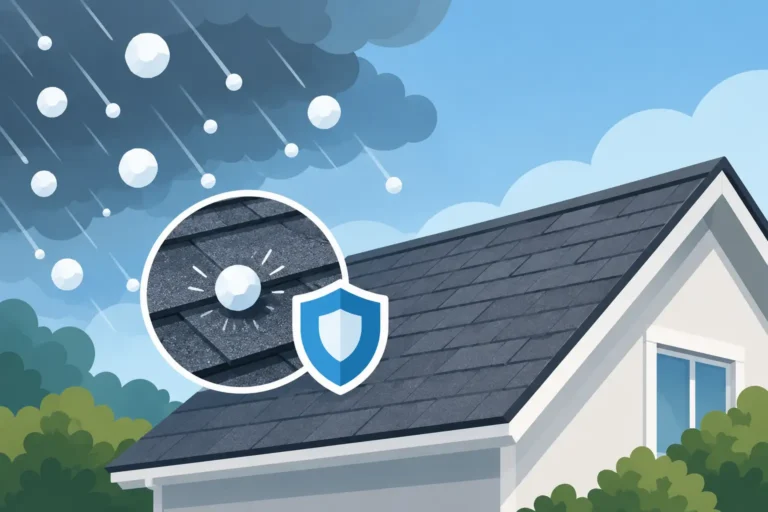
Wind, hail, fallen limbs, and ice-related damage can change the financial picture quickly. Insurance may cover qualifying storm damage, but coverage depends on the policy, the cause of loss, the deductible, and the insurer’s assessment. A roofing contractor can document visible damage and prepare an estimate for the necessary work, while the insurance carrier makes the final coverage decision.
Do not wait on an active leak simply because an insurance claim is being considered. Temporary protection or an emergency repair may help limit further water damage. Keep photos of the damage, save relevant communications, and ask for a clearly written scope that separates immediate repair needs from full replacement recommendations when appropriate.
Be cautious with anyone who promises insurance approval or pressures you to sign before explaining the work. A dependable local contractor will explain the roof condition, provide documentation, and communicate clearly without making promises that are not theirs to make.
Planning for a Roof Project Without Surprises
Before requesting estimates, note the age of the roof, any leak locations, recent storm events, and interior signs such as ceiling stains or peeling paint. For commercial buildings, share information about recurring leak areas, previous repairs, rooftop equipment, and access requirements. Those details help the inspection focus on the conditions most likely to affect the project scope.
When reviewing a proposal, ask what is included, what could change after tear-off, how property protection will be handled, and who will be your point of contact during the job. A contractor who answers directly is easier to work with when weather, scheduling, or unforeseen repairs require a decision.
DLR Construction provides free estimates built around the actual condition of the roof, not a one-size-fits-all price. For property owners in Durand and nearby communities, that means a clearer path from inspection to completed work, with the scope, cleanup, and warranty information spelled out before the project begins.
A good roof investment starts with a careful look at the building and an estimate you can understand. Whether the need is a focused repair, a restoration option, or a full replacement, clear information gives you the confidence to make the next decision.